1) POV
Leadership principles are easy to write and hard to live by. The real test is not what you believe when work is going well. It is what you default to when timelines are collapsing, opinions are clashing and the information you need does not exist yet.
Mine have been shaped by real moments, not frameworks. And the through line across all of them is the same: teams do not need a hero. They need clarity, trust, and a quality bar they can rely on.
2) A moment that shows them in action
In our contract workflow's signature workstream, we hit a moment where everyone had a valid perspective and still nothing was moving. Design leadership had a clear point of view. The designer had another. I had my own take as the design manager owning the space. Product had a different read based on release pressure and workflow expectations. The conversation spilled across channels and meetings and stayed unresolved longer than it should have for in-flight release work.
The core issue sat inside a self-serve contract request flow where any employee could raise a request and get it executed without involving specialists. The happy path was solid. The roadblock appeared in corner cases: when additional documents were required midstream, or when signatories had to change for an unforeseen reason. The debate was not about whether these situations mattered. It was about how to keep the requester moving while making the extra steps visible, easy to act on and context-rich, without turning the flow into a confusing checklist or sending users into dead ends.
Each function was operating with a different version of truth about what users would notice, interpret and do next. That was the real problem, not the design. So I stepped in and changed the shape of the conversation. I mapped the tradeoffs explicitly and asked one question: can we settle this with rapid evidence instead of more debate? We could. The scenario was testable with real users.
We pulled in our researcher, wrote a crisp brief, and aligned on an iterative testing plan with a revised sign-off date tied to results. One week, ran the testing, came back with a decision that was informed, defensible and calm. The debate did not end because someone won. It ended because the team aligned around shared evidence and a clear path forward.
3) Tradeoffs I default to in real moments
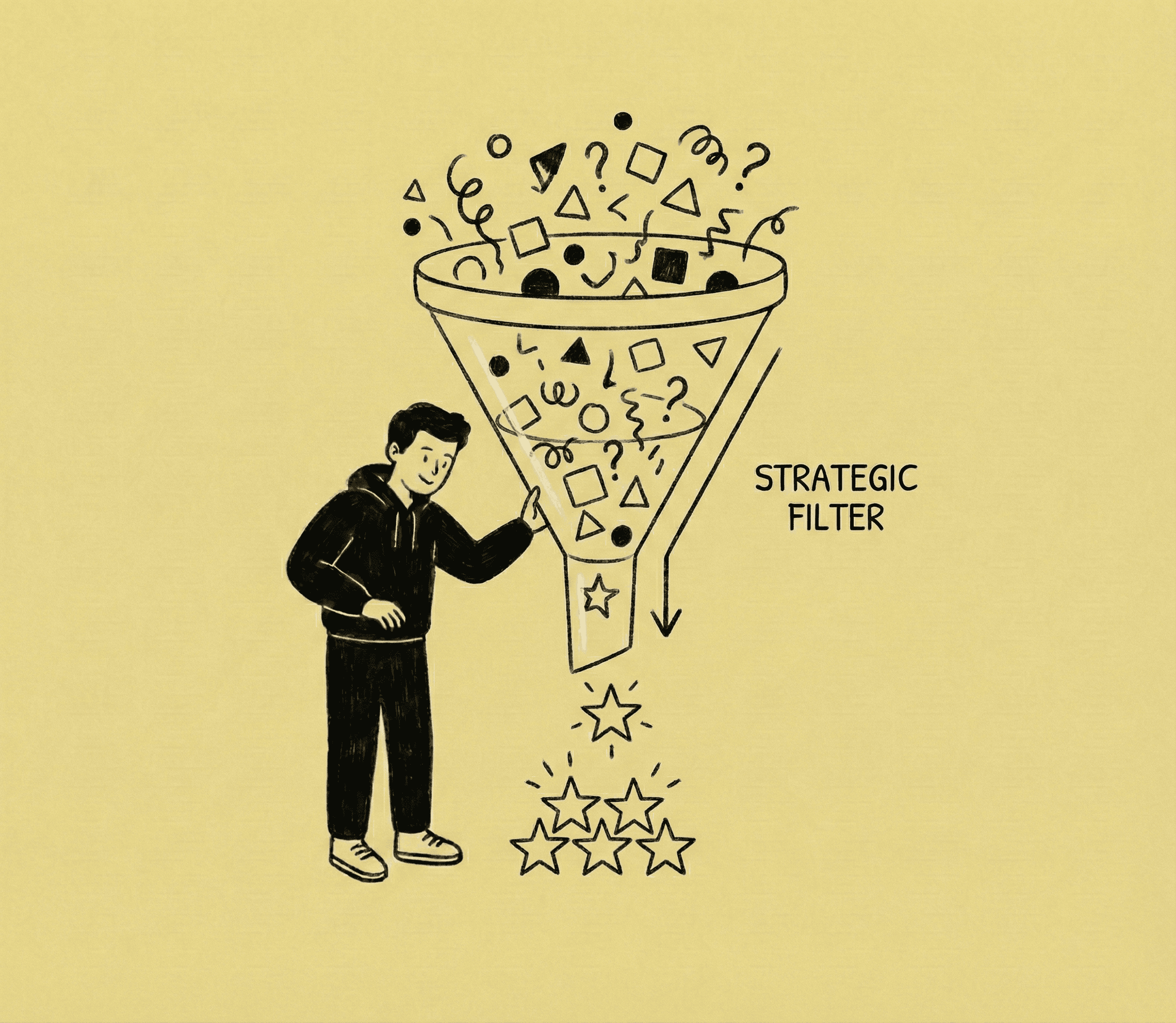
If alignment stalls, I change the input. I move the room from opinions to evidence.
If we are debating solutions too early, I pull us back to a real user scenario.
If speed conflicts with confidence, I buy clarity by trading scope or timeline.
If the team is holding multiple versions of truth, I make the tradeoffs explicit.
If the work is high stakes, decisions get written down with intent and a clear owner.
If the room changes, I change the story, not the truth.
4) Principles underneath
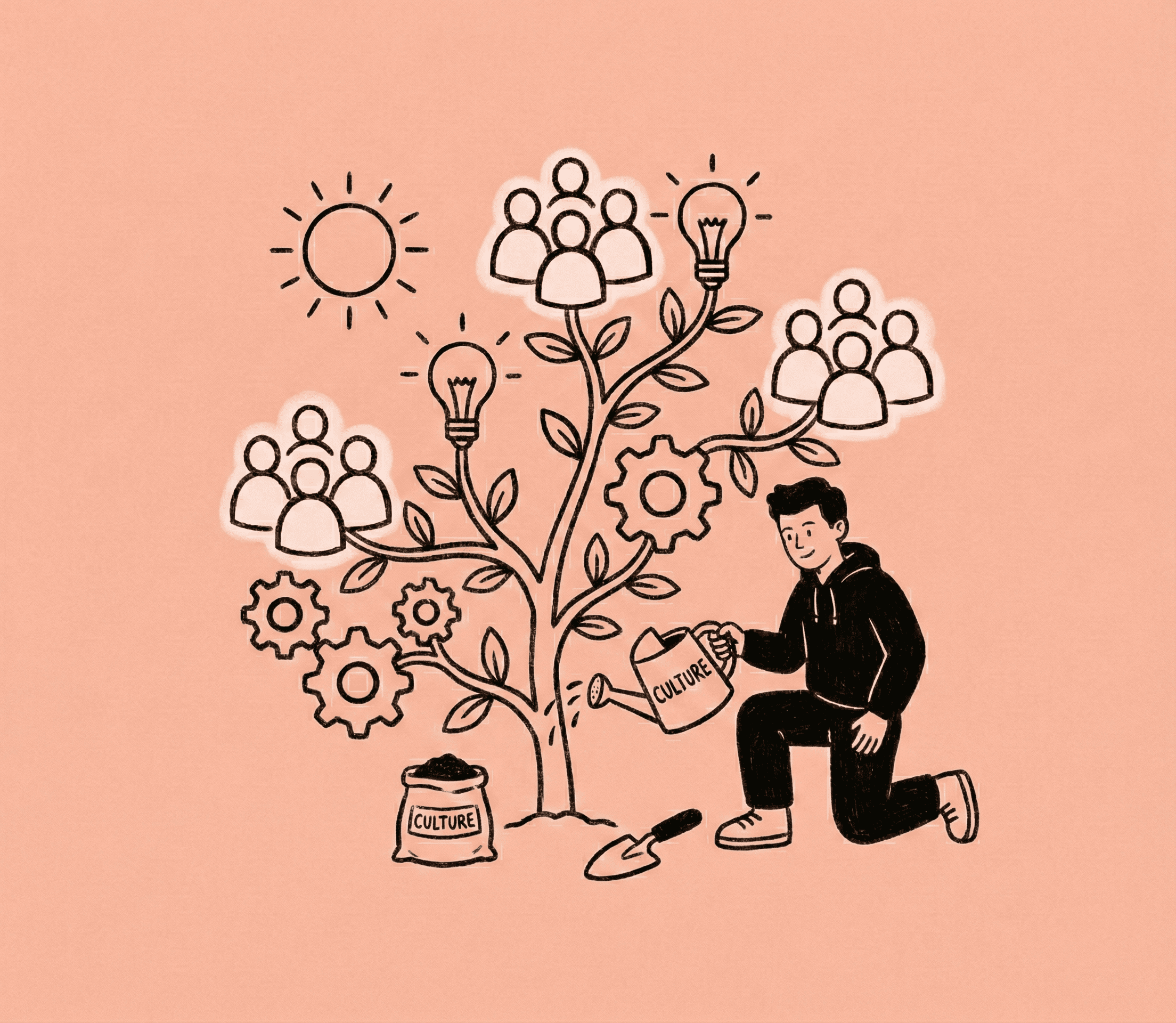
People first. Trust and psychological safety are not soft concerns. They are the conditions under which good work actually happens.
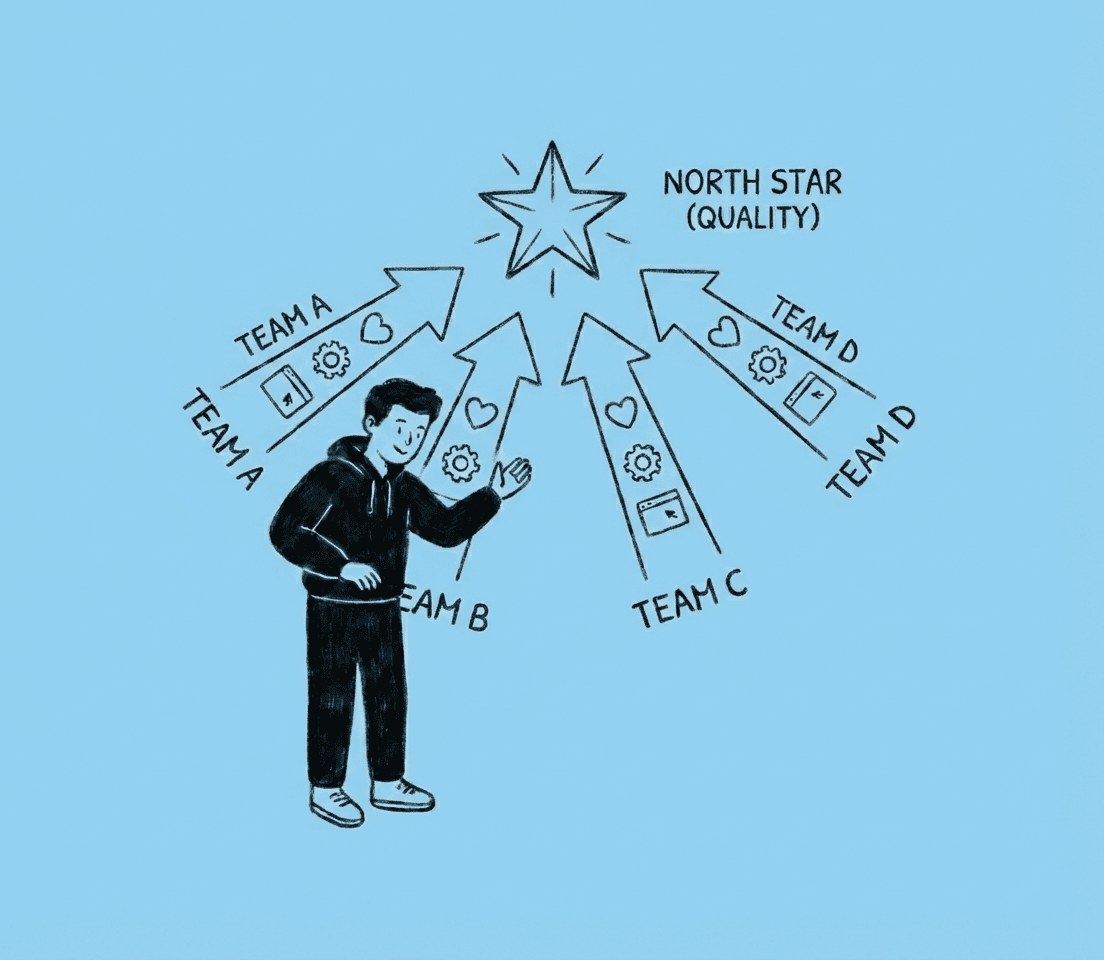
Clarity over control. I align people on outcomes and decision rights, then get out of the way. Micromanagement is just distrust with a process wrapped around it.
Quality is trust. I build for messy reality, not for demos. If it only works when conditions are perfect it is not ready.
Ownership is built. I have seen what happens when someone is given a title without the room to actually lead. They become cautious, they escalate everything, and they stop growing. Real ownership means clear boundaries, real support, and the freedom to make mistakes that matter.
Strong opinions, loosely held. Vague leadership produces vague work. I push a point of view hard because the team needs to know where I stand. But I have been wrong enough times to know that changing fast when evidence moves is not weakness. It is the job.
Match the story to the room. Same truth, different altitude. A VP and a designer need different things from the same update and giving both the same version is not consistency. It is a failure to communicate.
5) What you can expect from me
Direct feedback, delivered with care. A high bar without heaviness. Clear ownership and fewer surprises. Calm when things get tense, action when things get stuck.