1) POV
Quality is the thing I refuse to negotiate with.
Not because I am stubborn, or because I like polished UI. Because in enterprise software, quality is trust. It is whether someone feels safe clicking Submit. It is whether the workflow holds up when the data is messy, approvals are missing, or the user is rushing through a task between meetings. And it is whether the product still feels coherent when five different teams have touched it over a year.
When teams are busy, quality does not degrade slowly. It drops off a cliff. And once it drops, it becomes expensive to win back.
So quality became a fundamental tenet of my leadership. Not as a slogan. As a habit.
2) What quality means to me
For me, quality is the product keeping its promise when reality shows up.
Clarity when the user is stressed
Correctness when the workflow is complex
Coherence when multiple teams ship into the same experience
Dignity, especially in edge cases
A polished happy path is not quality if the empty state confuses, the error message blames the user, or the workflow falls apart the moment a policy exception appears.
In enterprise, the edges are not edges. They are the job.
3) An early chapter that sharpened my view
My time on Microsoft SDM Plus, a process repository used across project managers, sales executives, solution consultants and marketing teams, showed me early that quality is won or lost in places nobody is watching.
What users reported was not "make it prettier." It was friction. Too many clicks, navigation that fought how they thought, content that had fallen behind how teams actually worked. When people cannot reach what they need, they stop trusting the system and build workarounds. By that point the product has already failed, just quietly, where nobody is looking.
4) How I advocate for quality when reality gets messy
Most quality debt is not created by bad designers or bad engineers. It is created by silence. Silence when "we will fix it later" goes unchallenged. Silence when user clarity gets traded for internal convenience. Silence when timelines tighten and correctness starts feeling optional.
My job is to break that silence by making the cost of getting it wrong real and present. I am not trying to alarm people. I am trying to be honest about cause and effect, because I have seen what happens when these conversations get deferred:
"This breaks trust at the moment of commitment." "We are shipping an experience that will teach users to avoid the product." "If we launch this, support tickets become the QA team."
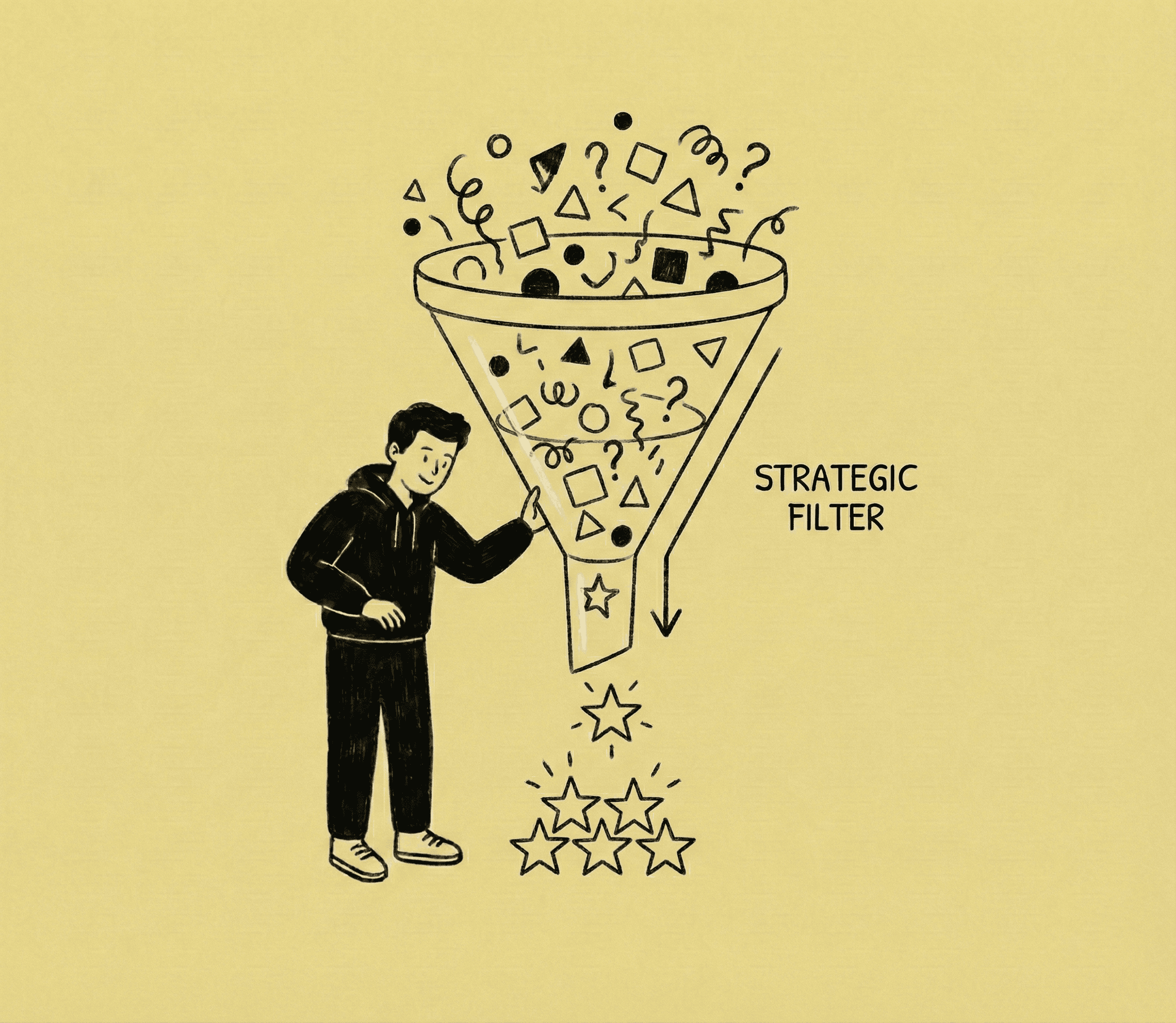
The goal is not to win an argument. It is to change the question from "can we ship?" to "what are we willing to ship and stand behind?"
5) Quality in the overlooked corners: HRSD holiday calendar
Some quality opportunities are loud. Others sit quietly in a corner of the product, doing their job, asking nothing of anyone.
The holiday calendar widget in HRSD was the second kind. It worked. It showed employees their regional holidays and got the job done. Nobody complained. But I kept coming back to it because employees landed on this widget regularly throughout their year, and every visit had a real human moment inside it. Upcoming time off, something to look forward to. The widget was not touching any of that. It was a table and nothing more.
So I pushed for a quality pass nobody had asked for. We replaced the clinical white with a warmer palette that could also pick up a company's brand colours. We added an upcoming holiday callout with a small warm illustration alongside it. And we introduced a region filter for people working across geographies who needed to check a colleague's holiday schedule.
The widget went from occupying a quiet corner of the employee portal to something people noticed and used with affection. It got picked up on the ServiceNow Surf portal internally and customers followed. Quality here was not about fixing something broken. It was about seeing what something overlooked could become.
6) Quality under pressure: CLM
CLM was where my quality instincts got tested hardest. Resources thin, timelines tight, domain complex, and competing against established players who meant users already had expectations for how serious systems should behave.
Quality under pressure rarely breaks in a demo. It breaks when users are submitting something important, approving a workflow, moving a contract forward. Those are the moments where the system must behave predictably and trust is either kept or lost.
I kept the team anchored to three things: moments of commitment must be unambiguous, the experience must stay trustworthy when reality gets messy, and the product must stay coherent across surfaces as it grows. We reduced scope where we had to. Correctness, clarity and coherence were not on the table.
That is what gold standard means in practice. Not perfection on day one, but a refusal to ship something we cannot stand behind.
7) How I make quality scalable
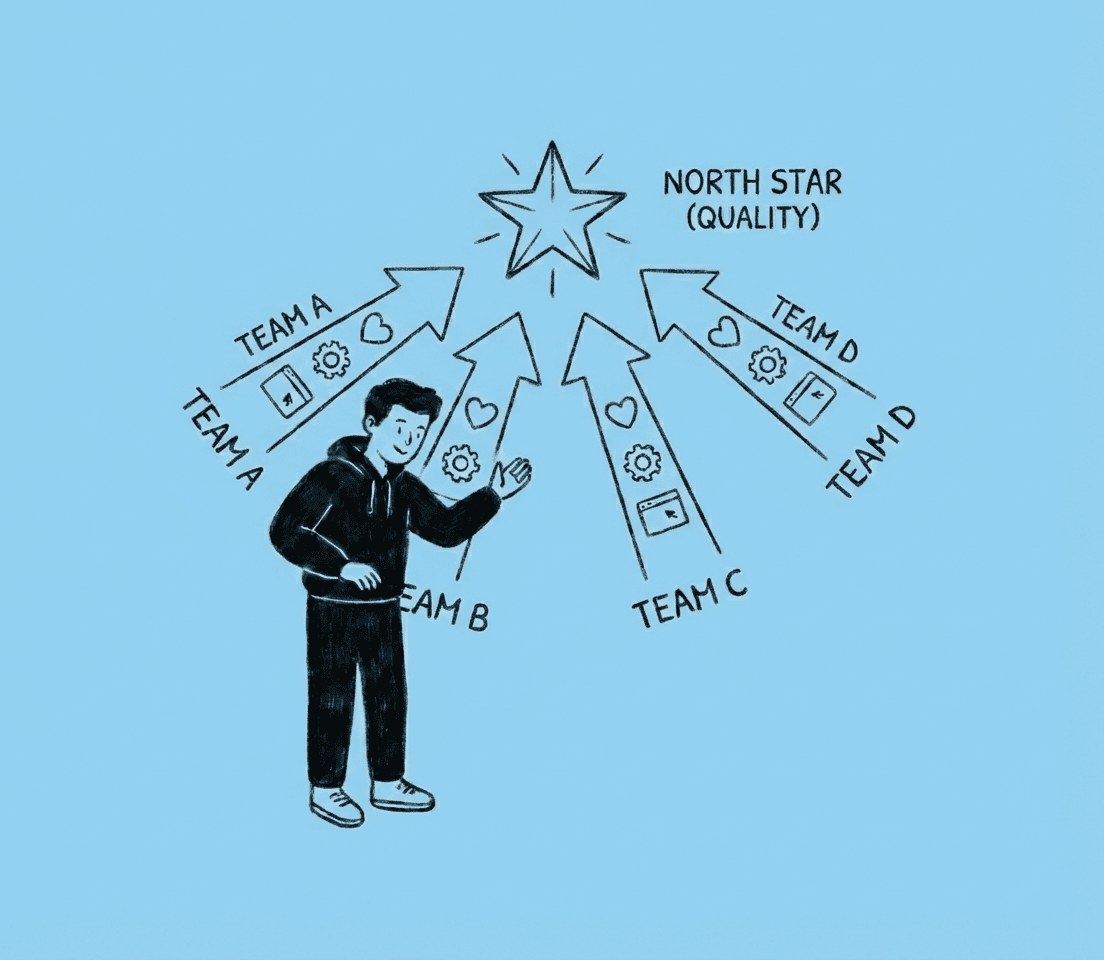
If quality depends on one person, it is not a standard. It is that person holding things together through will alone.
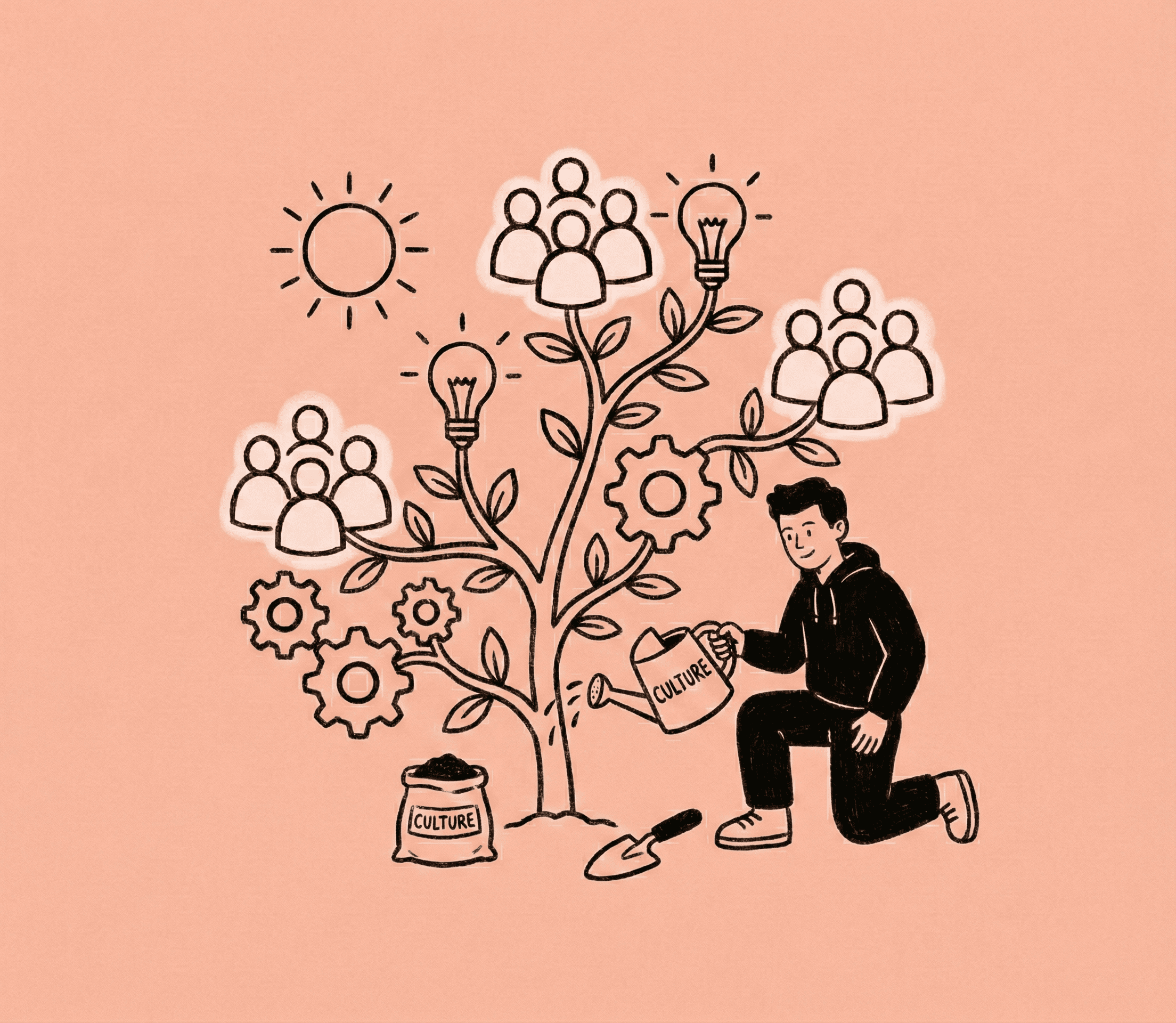
I build it into the team three ways. I help people develop the eye for it through critique habits that are specific, honest and kind, until the team catches things before I do. I pull quality conversations forward because a hard conversation in week one is cheaper than throwing away real work in week eight. And I recognise quality loudly and specifically when I see it. Not a generic well done but a deliberate callout of exactly what was good and why it mattered. People notice what their leader notices. If they see a thoughtful edge case or content that treats the user with dignity get celebrated, they start looking for those moments themselves.
8) The culture I want my teams to carry
Quality is not a phase at the end. It is a way of working.
Not a standard I enforce on people. A standard I build with them, model myself, and keep alive through the pressure and compromise that comes with real software development.
Because anyone can hold the bar when conditions are perfect. Leadership is holding it when they are not.
Gold standard is not a finish line. It is the direction.