1) POV
Executive communication is not one format.
Sometimes it is a high-stakes roadmap forum with the COO and SVPs. Sometimes it is a design-only review where showing unfinished work is the point. Sometimes it is a quarterly business review where the job is clarity and confidence. Sometimes it is a smaller leadership room where you shape direction before it becomes a plan.
My role across these spaces has not been to perform polish. It has been to make the work legible in the room it is in, so the team leaves with clearer direction, fewer misreads, and better momentum.
2) The kinds of rooms I have operated in
Roadmap reviews
High altitude. High stakes.
Senior business leadership reviewing what ships in the next major release. The story needs to be crisp and business-aware. Product typically drives and my job is to represent UX clearly when the narrative turns to experience, workflow integrity, adoption risk or tradeoffs that affect trust.
Speak to experience impact without going deep into design mechanics
Connect UX choices to adoption, risk and workflow outcomes
Design executive reviews
Craft and direction.
Design-only reviews with executive design leadership and partner discipline leaders. Not about perfect answers. About bringing messy work into visibility, inviting senior direction and sometimes re-routing early when design stakes are real.
Show unfinished work without losing the plot
Frame what feedback you need, not just here is a demo
Quarterly business reviews
Progress and coherence.
Quarterly alignment with business and product leadership on progress, upcoming priorities and cross-team dependencies. Less debate, more about whether the story holds and what needs escalation.
Translate design progress into business-relevant signals
Surface risks early without sounding alarmist
Cross-functional leadership reviews
Where direction gets shaped.
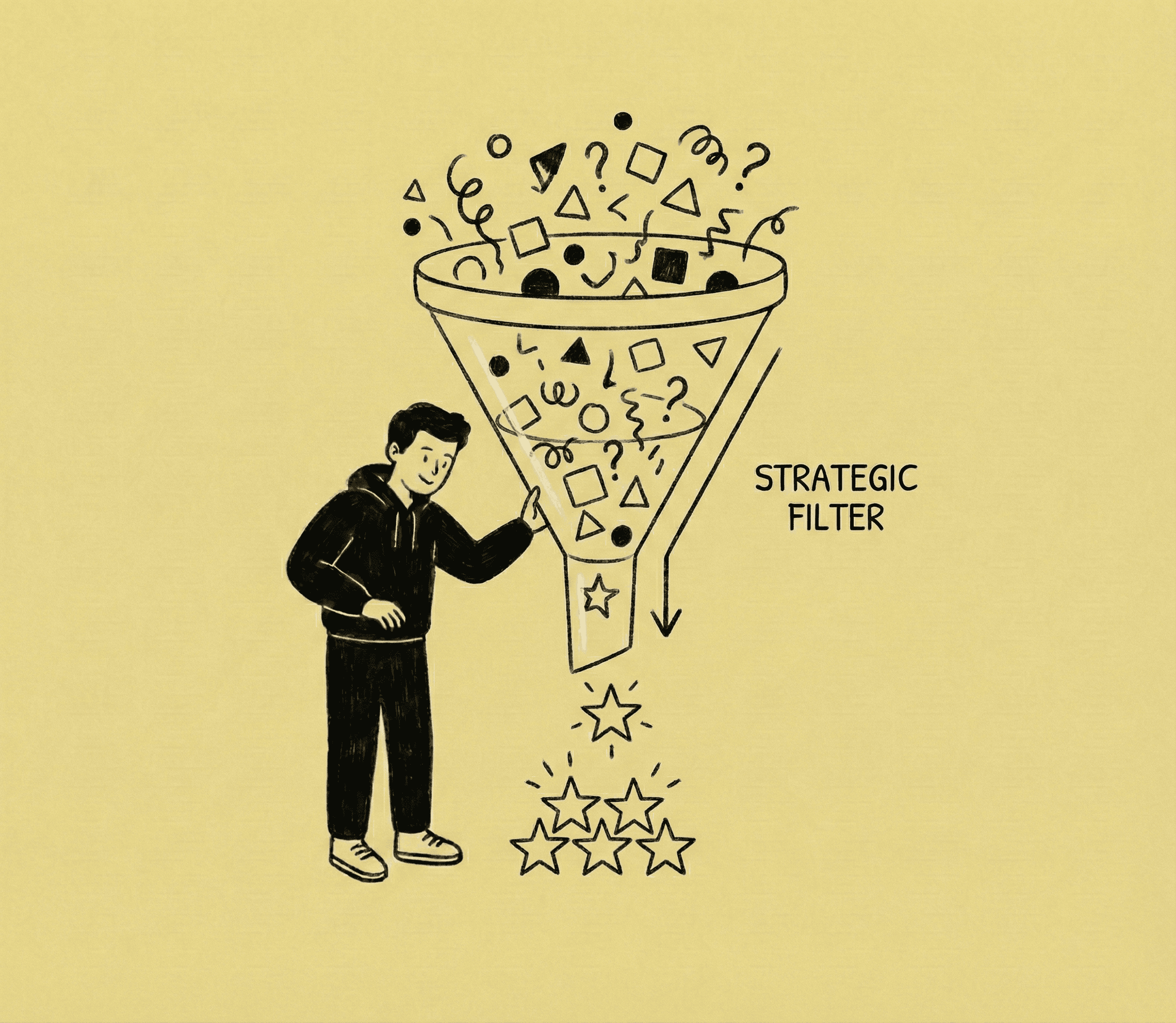
Smaller rooms across product, design and engineering where work gets shaped before it becomes a formal narrative. Strategy, sequencing, guardrails and tactical direction. This is where I have often had the most impact because the conversation is raw, alignment is faster, and clarity here prevents churn later.
Surface the real tension and name it cleanly
Keep experience integrity across seams and handoffs
Ad hoc leadership check-ins
Highest leverage, least time.
Quick check-ins, fast-moving syncs where direction gets set in ten minutes. You do not get time for a full story. You get time for clarity.
Start with what changed and why it matters
Leave the room with one clean next move
3) How I adjust my narrative based on the room
This is less about templates and more about instincts.
Design executive reviews can handle mess if the intent is clear. Roadmap reviews need the story tight, risks explicit and the outcome repeatable. Smaller cross-functional rooms need honesty and traction above everything else.
The proof I reach for changes too. Executive forums need implications and confidence. Design forums need craft stakes and cohesion. Cross-functional forums need tradeoffs alongside delivery reality.
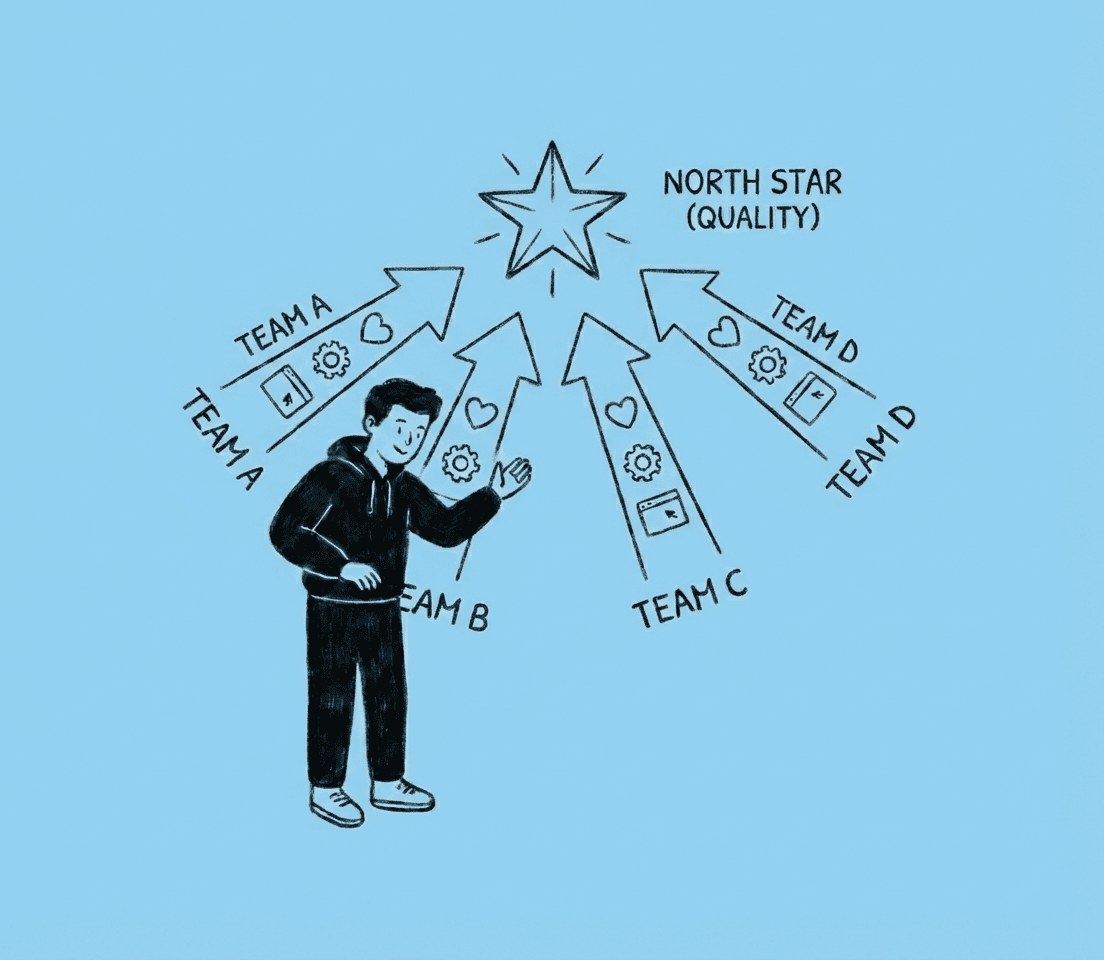
And across all of them I protect coherence. In enterprise work the product is rarely one surface. It is workflows, handoffs and the seams between teams. My narrative consistently brings the room back to workflow integrity, trust and adoption regardless of the forum.
4) What my contribution looks like in practice
I am not claiming I drove every forum. In many I was the design representative while product leadership drove the storyline. What I consistently owned was the experience narrative and how the work showed up with credibility.
Across workflow-native experiences in my space that looked like: helping the team sharpen the experience narrative before the forum, driving UX direction in the weeks leading into reviews, representing UX in-room during questions and debate, and translating leadership feedback into clear direction for the team after.
5) What I have learned
Earlier in my career I thought executive craft was about polish.
Now I think it is about two things: whether the room can understand the work clearly even when it is unfinished, and whether the team can move faster after the room because direction is clearer.
That is the bar I hold.