1) POV
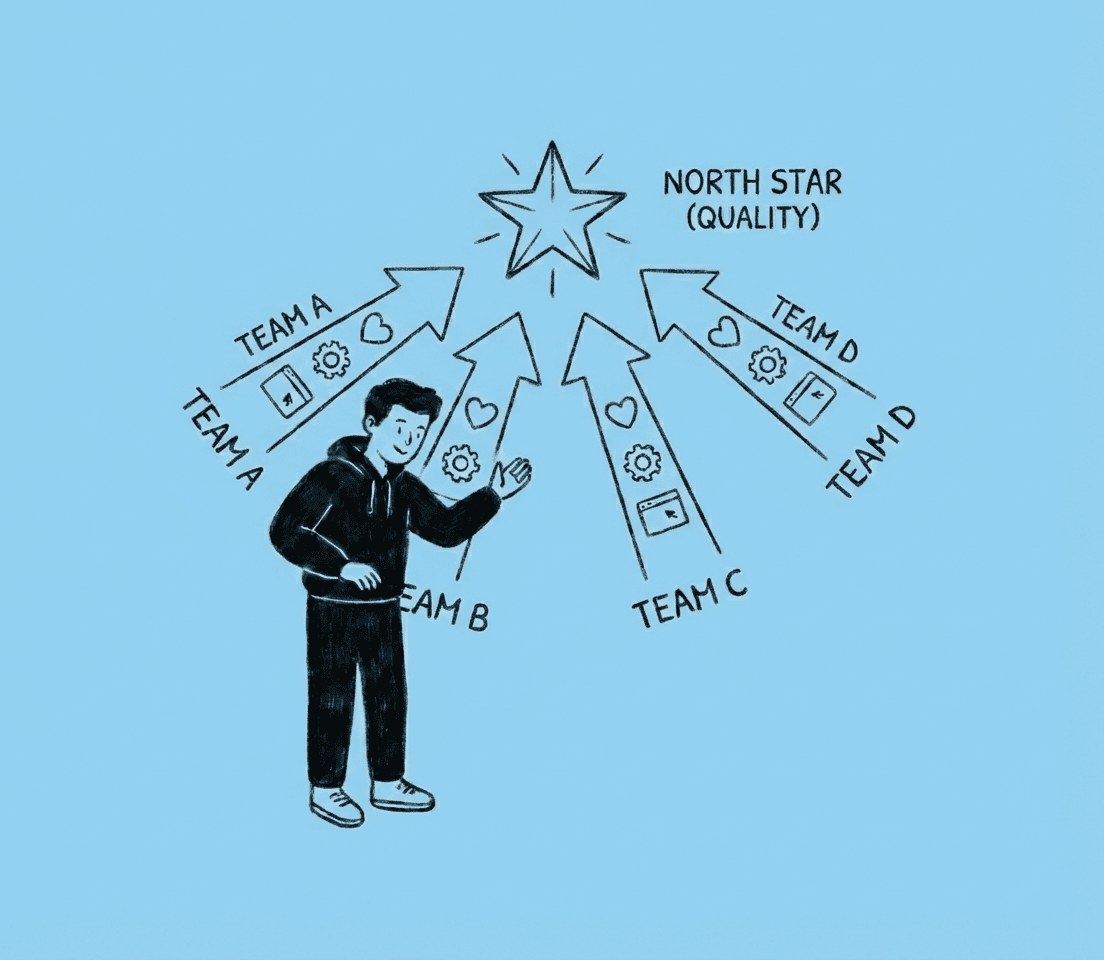
Cross-functional work usually breaks for a simple reason: smart people are optimising for different versions of right. Product is chasing time-to-value, Engineering is protecting scalability, QE is protecting risk, GTM is protecting what they can promise, and Design is protecting clarity and trust.
I actually enjoy this part of the job. It is where good leadership makes work feel calmer. I lead by making tradeoffs explicit early so teams can commit without resentment and execute without churn. I care a lot about teams leaving meetings with clarity, not fatigue.
2) How I work in practice
Constraints pulled forward: I bring QE, Solution Consulting and outbound voices in sooner than feels necessary, because late constraints are the most expensive ones and discovering them early is almost always cheaper than redesigning around them.
Evidence over opinion: We agree on what we are optimising for, then evaluate options against that, including what we can validate quickly. This stops debates about preferences and starts conversations about tradeoffs.
Shared ownership over handoffs: I keep partners engaged end to end because when people are only consulted at the end they relitigate decisions that have already been made, and that is expensive for everyone.
3) Where this showed up
Decision reset: Agentic AI, metadata and obligation extraction
The debate had been running for a while and it kept coming back to the same place: a PM's strong preference for fewer clicks, returning to that position regardless of what the tradeoff conversation surfaced. It was not that the preference was wrong. It was that preference was doing the work that evidence should have been doing.
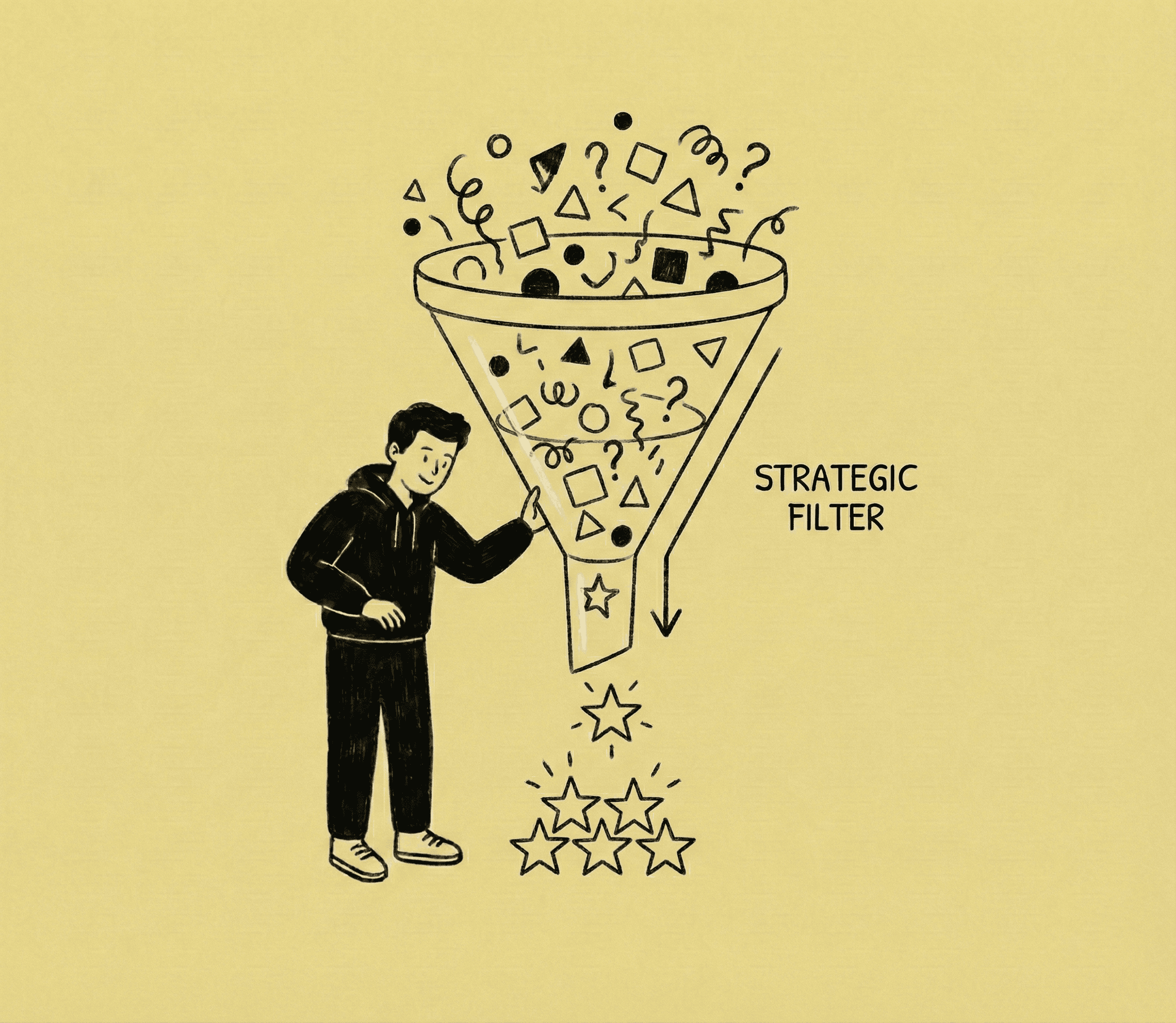
So I stopped trying to win the argument and changed the shape of the conversation instead. I reset the room around shared criteria: clarity under load, error risk, scalability, and what we could validate quickly. Once the criteria were on the table it became harder to advocate for a position without addressing them. We compared options, made the call, and moved into execution with a rationale everyone could stand behind.
Usability guardrail: CLM Word setup, contract admin
There was pressure to put everything into one large form to save engineering effort. The pushback from engineering was straightforward and honest: resources were tight and a categorised, structured approach would take meaningfully longer to build. The ask was to defer it to the next release.
I understood the constraint. But I also knew that deferring structure in a form that would only grow more complex over time was not really saving effort, it was moving the cost forward with interest. So instead of arguing for the ideal solution I reframed the conversation around the downstream cost of the shortcut: errors, support burden, the extensibility problem that would resurface every time a new requirement came in. Engineering could see that too once it was laid out that way. We found a middle path that protected the structure without blowing the timeline, and shipped something that stayed usable as the product grew.
Org identity: CBWF mission and vision
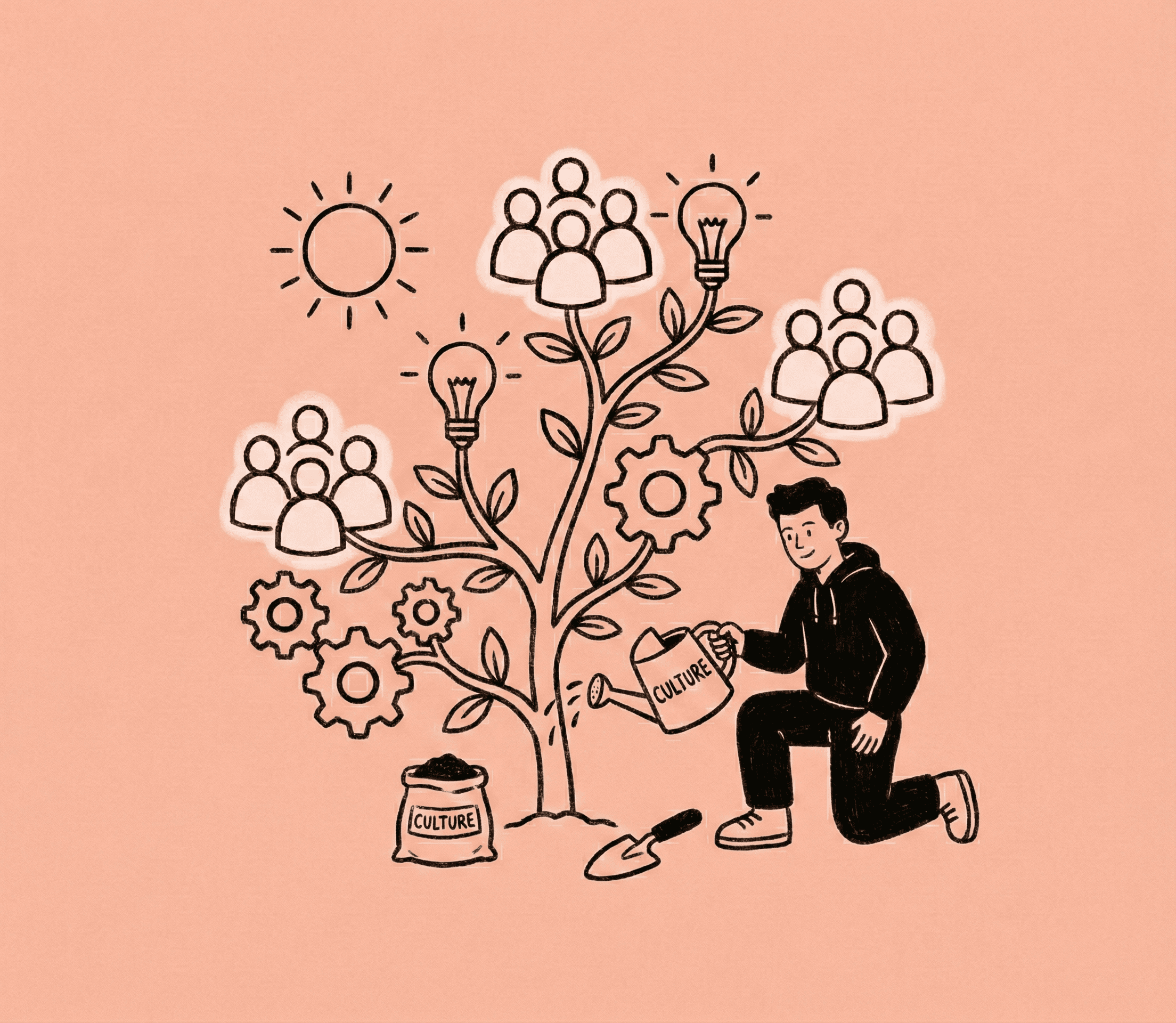
I led the initiative to define mission and vision for the CBWF design org. Most teams do the session and move on. We treated it differently, creating digital and physical handouts, Zoom banners, artefacts that reinforced the identity in the everyday. What it gave the team was harder to manufacture than a slide: a shared sense of what we stood for and what we were trying to build together. That identity made prioritisation conversations easier and gave people a compass when direction felt unclear.
4) When alignment breaks
When alignment breaks I bring the room back to three things: who decides, what good means, and when we will decide. Then we move.
5) What cross-functional leadership has taught me
The thing I had to learn, and it took longer than I would like to admit, is that influence in cross-functional work has almost nothing to do with being right. You can have the correct answer and still lose the room if people do not feel heard, if the tradeoffs feel imposed rather than shared, or if the decision lands without enough ownership around it to survive execution.
What actually moves rooms is making people feel that their constraints are visible and respected before asking them to move. Engineering's resource reality in the CLM example was real. The PM's instinct in the Agentic AI example was not unreasonable. The job was never to override those perspectives. It was to create enough shared ground that the best path forward became something everyone could walk together.
That is what I mean when I say clarity is kindness. Not clarity as a blunt instrument. Clarity as the thing that makes it safe to commit.